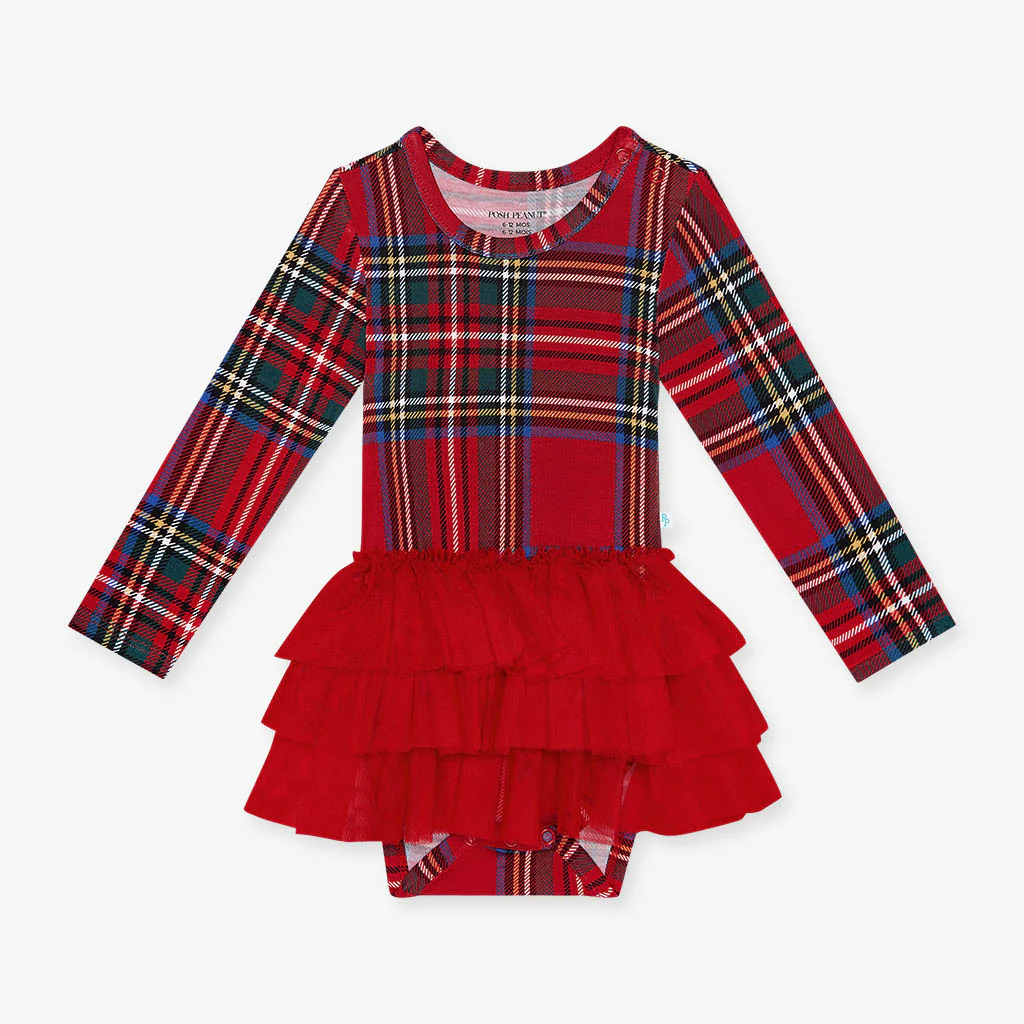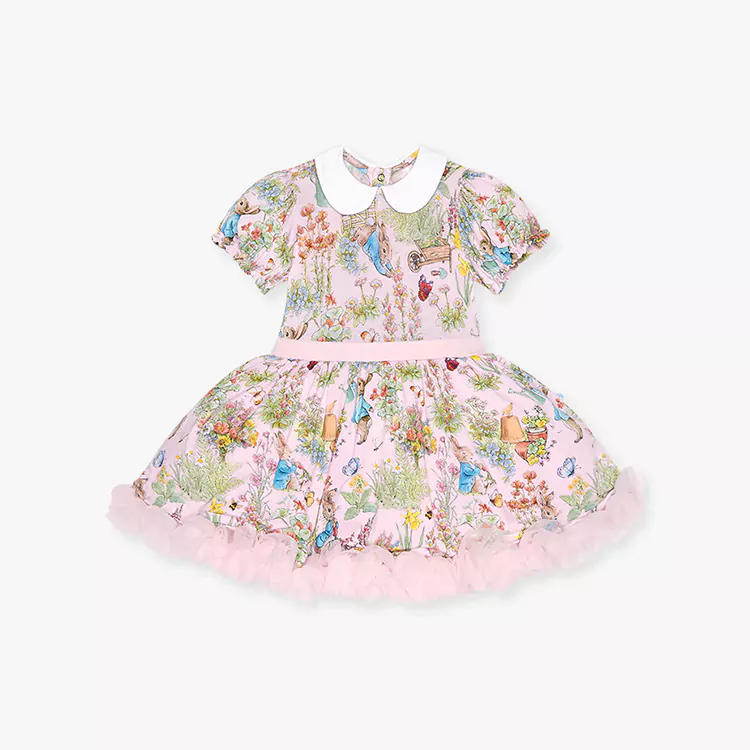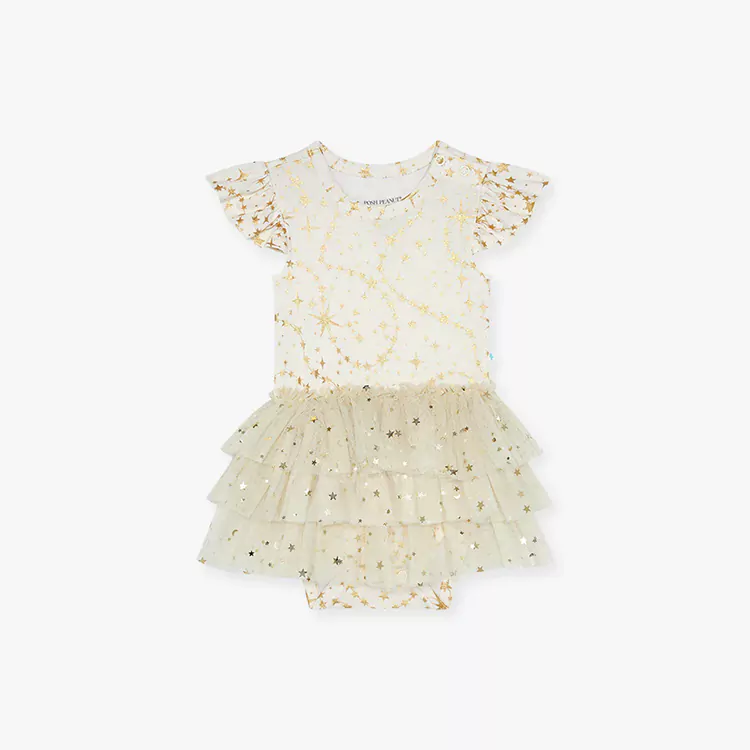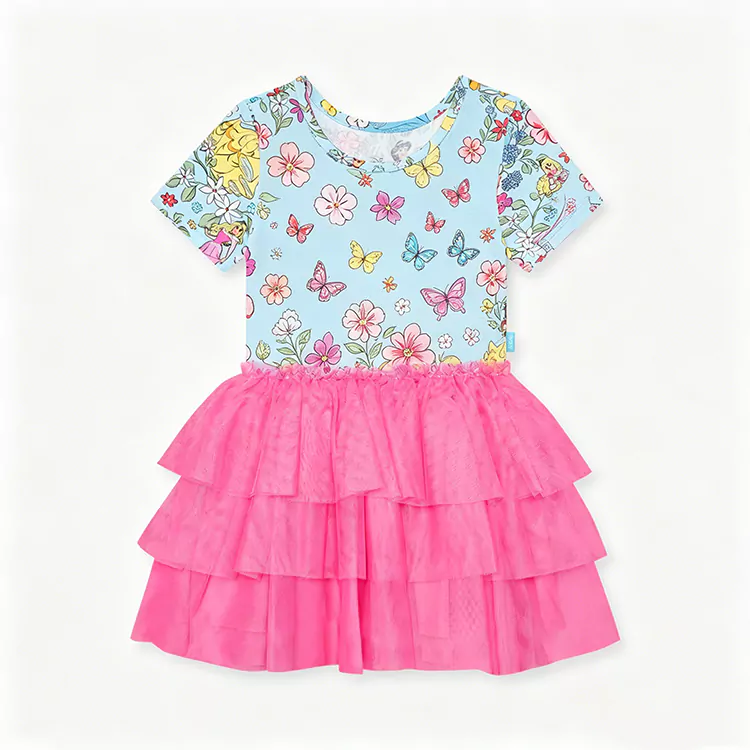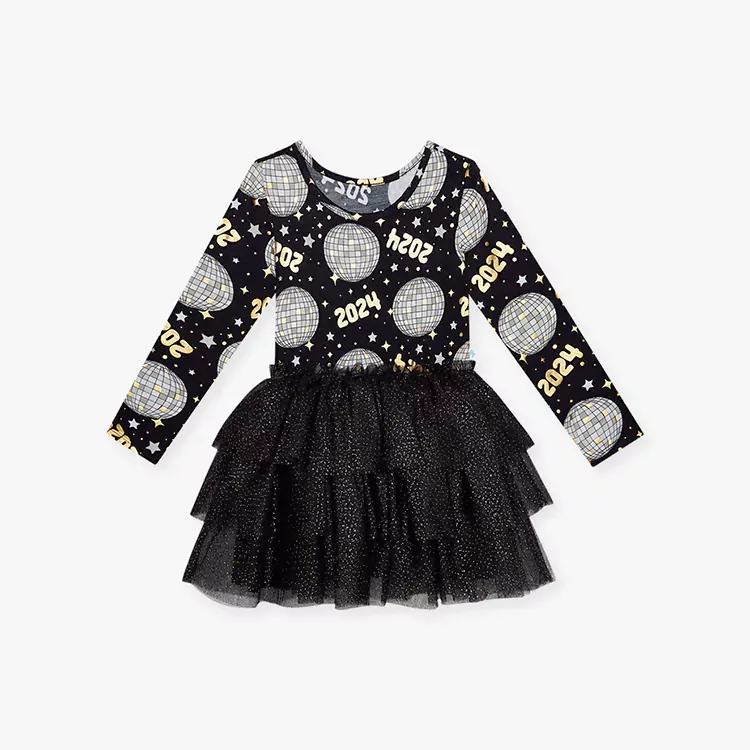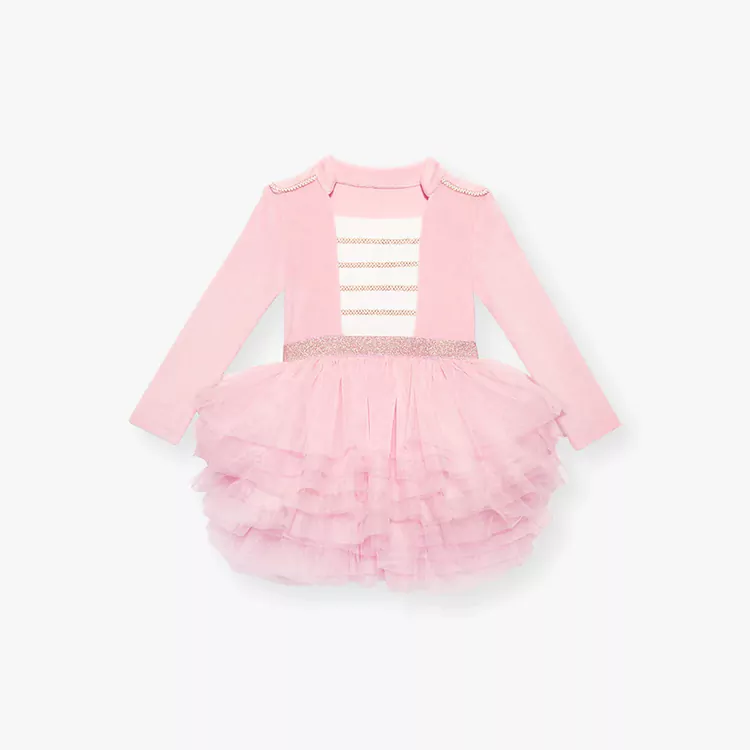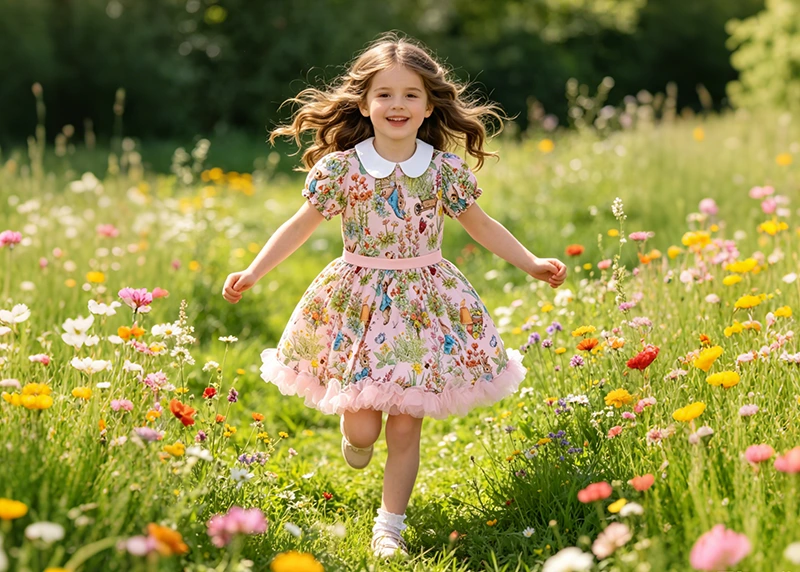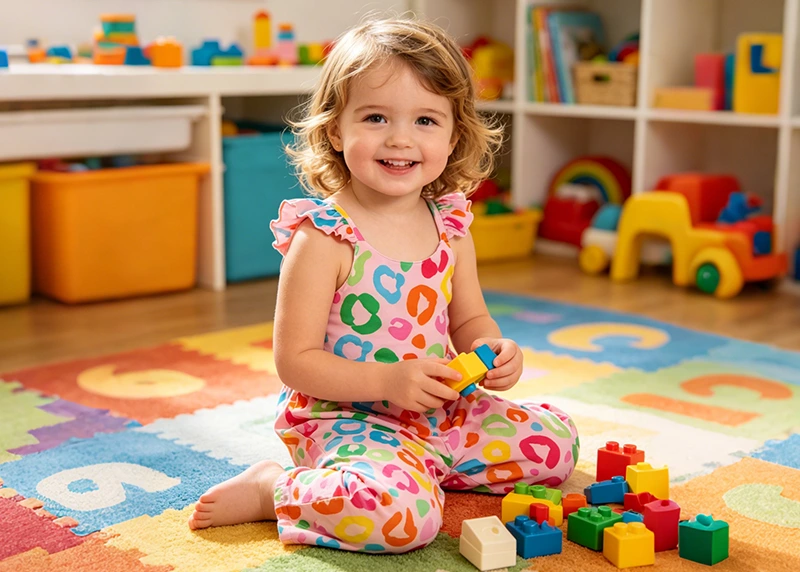

For brands and retailers building girlswear assortments, JINHAN offers Kids Dresses for wholesale sourcing and private-label product development. A dress collection may be organized around everyday clothing, seasonal releases, parties or special occasions, with each direction calling for a different combination of silhouette, fabric, decoration and finishing. Buyers should establish the intended retail purpose first, then select designs and specifications that fit the collection.
The overall shape establishes the direction of a dress before decorative details are considered. Buyers may compare A-line styles, gathered skirts, relaxed silhouettes, layered designs or other shapes suited to their intended range. Sleeve length, neckline, skirt length and closure type also affect the finished appearance and should be identified in the product brief.
Decoration can then be chosen to support the design. Depending on the reference style, details may include printed patterns, embroidery, appliqués, bows, pleats, contrasting panels or trim. These features should be assessed alongside the intended age group and retail positioning. A dress with multiple decorative components requires a more detailed specification than a plain style with minimal finishing.
|
Specification |
Details for Buyers to Confirm |
|
Garment design |
Silhouette, neckline, sleeve type, skirt shape and closure |
|
Fabric |
Fiber composition, weight, texture, lining and care requirements |
|
Color and print |
Color references, artwork files, pattern scale and placement |
|
Construction |
Seams, hems, gathering, fastening and decorative components |
|
Sizing |
Target age group, size chart, garment measurements and tolerances |
|
Branding |
Brand labels, care labels, hangtags and packaging artwork |
The table can serve as a purchasing checklist, but the final specification should reflect the actual design. For example, lining may be relevant to one dress but unnecessary for another; buyers should not assume that every style uses the same construction.
Fabric should be selected in relation to the intended silhouette. Weight, drape, surface texture and composition can change how a dress hangs and how its shape is maintained. If a design uses layers or lining, buyers should specify the relevant materials and confirm their construction through sample review.
Particular attention may be needed around shoulder seams, armholes, waist seams, skirt gathering, hems and fastenings. Decorative components should be positioned according to the approved artwork or sample. When the same design is offered in multiple colors, buyers should provide clear color references and confirm whether all versions use the same fabric and trim.
Everyday dresses and occasion-focused designs may follow different retail calendars. A seasonal range could prioritize fabric weight, sleeve length and color palette, while an occasion-led collection may place more emphasis on silhouette, layered construction or decorative details. Buyers should consider the planned launch date and intended sales channel when deciding which styles belong in the order.
A collection does not need to contain a large number of unrelated designs. Some retailers prefer a focused group of styles in several colors, while others need multiple silhouettes for different customer segments. The purchasing brief should reflect the merchandising plan, expected demand and available budget.
Samples allow buyers to assess fit, fabric drape, finishing, decoration and overall appearance before approving the product. Any changes to measurements, materials, trim or artwork should be documented and incorporated into the final specification. Buyers should also confirm the label content, placement and packaging details needed for their retail channel.
Children's clothing requirements vary by market and product design. Before placing a bulk order, buyers should verify the applicable safety and labeling rules for the destination market, particularly where decorative components or specific materials are involved.
Provide reference images or sketches, target age range, fabric preferences, size breakdown, colors, decorative details, estimated quantities and destination market. The more clearly the design is defined, the easier it is to review the proposed product.
Not necessarily. Fabric can vary by design and intended use. Buyers should specify which styles share the same material and which require separate specifications.
Use an approved sample and a written specification covering measurements, fabric, construction, decoration and labels. Record changes made during sample review before confirming the bulk order.