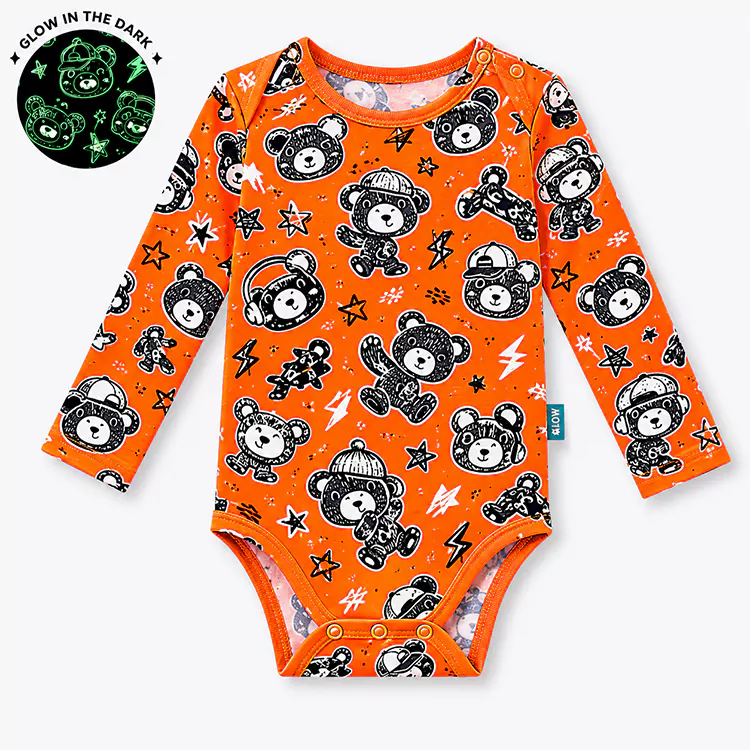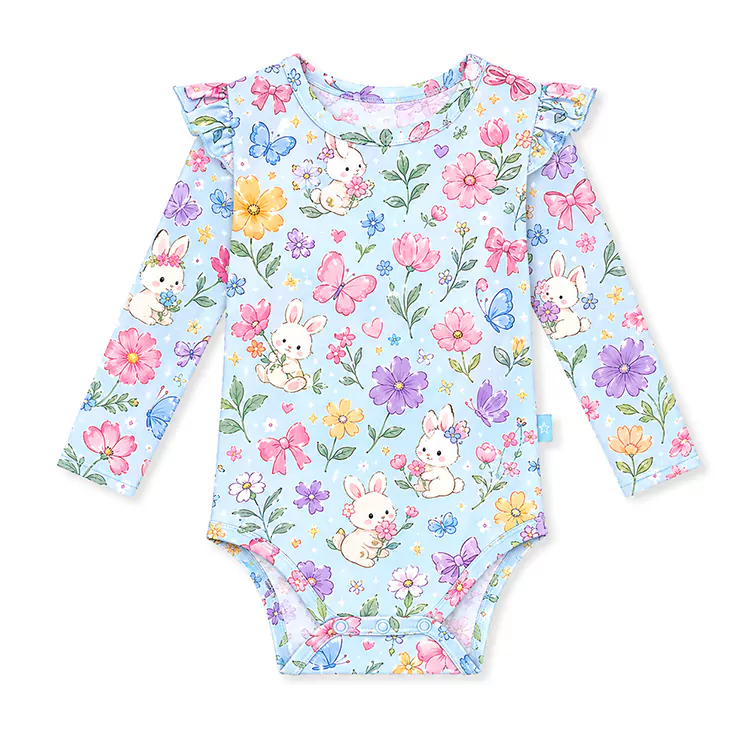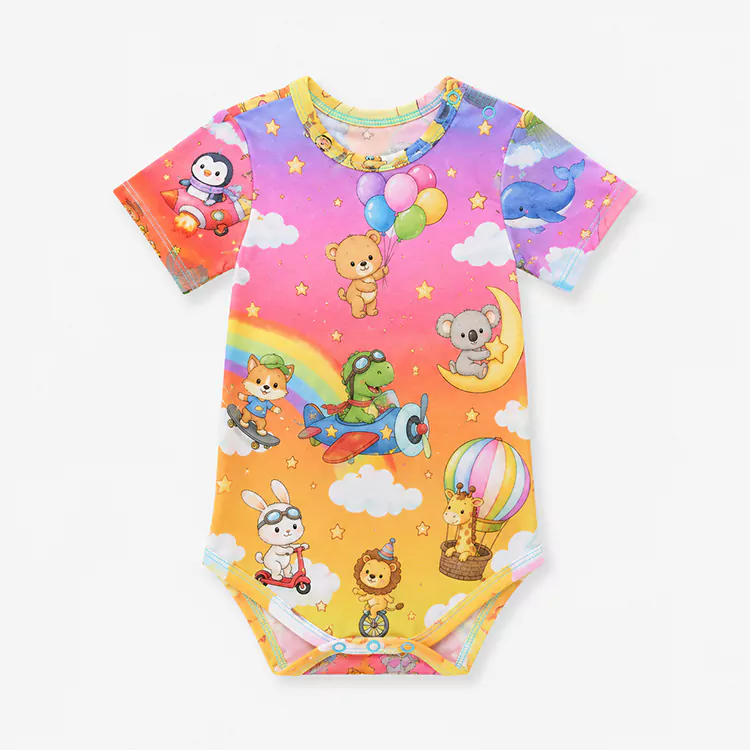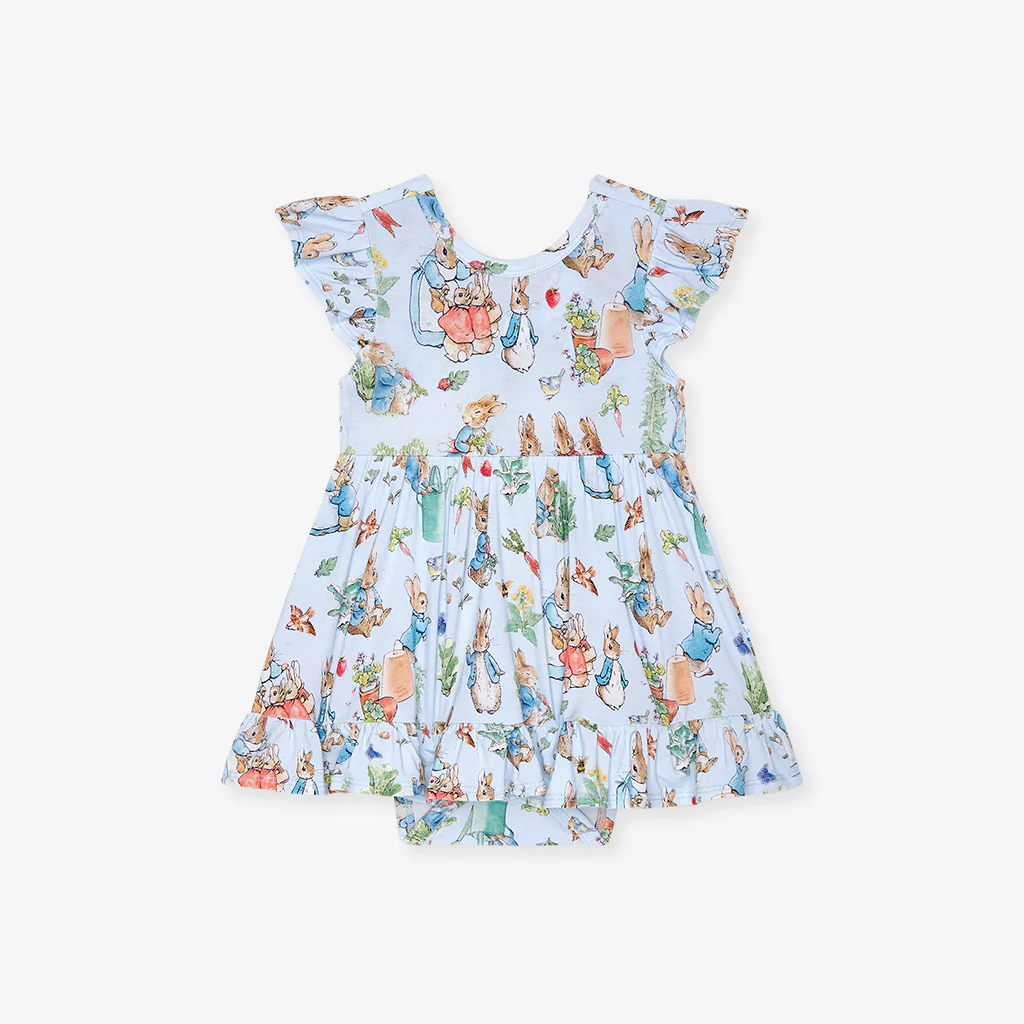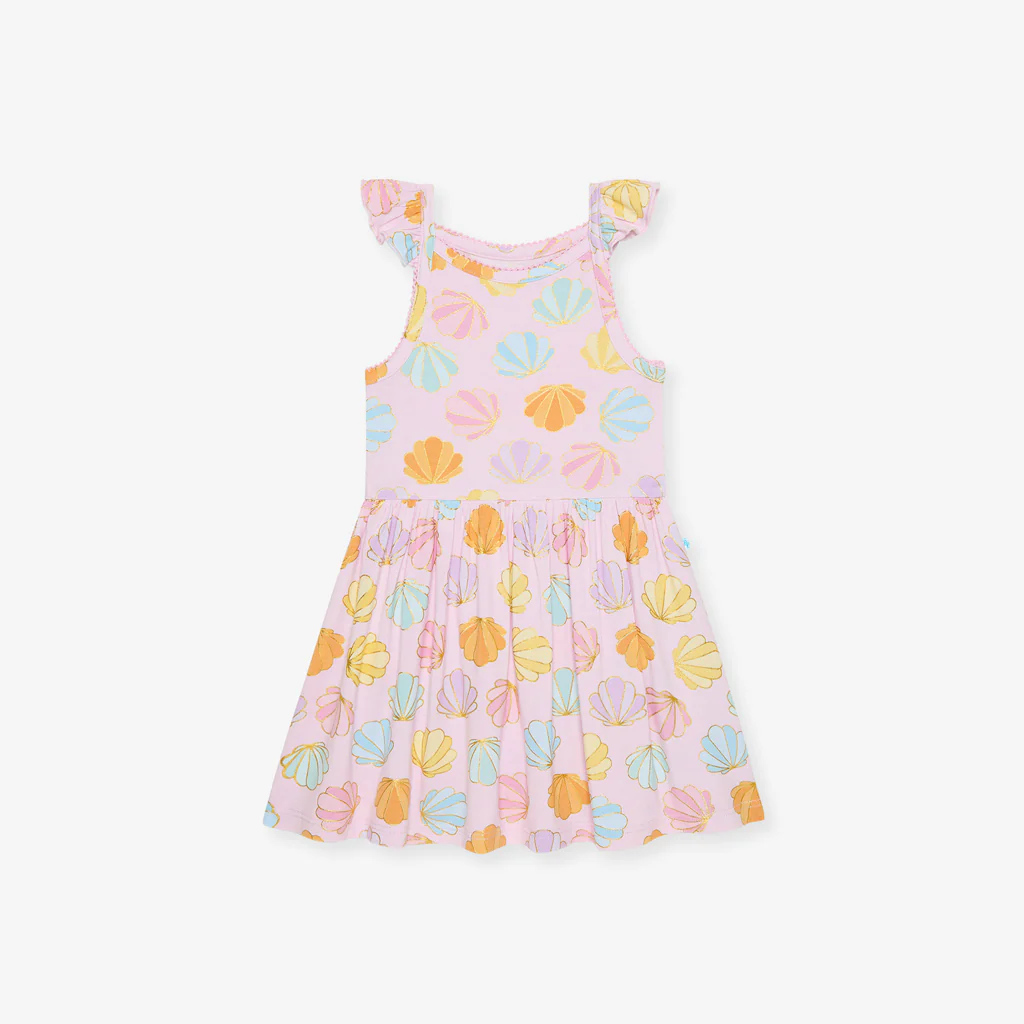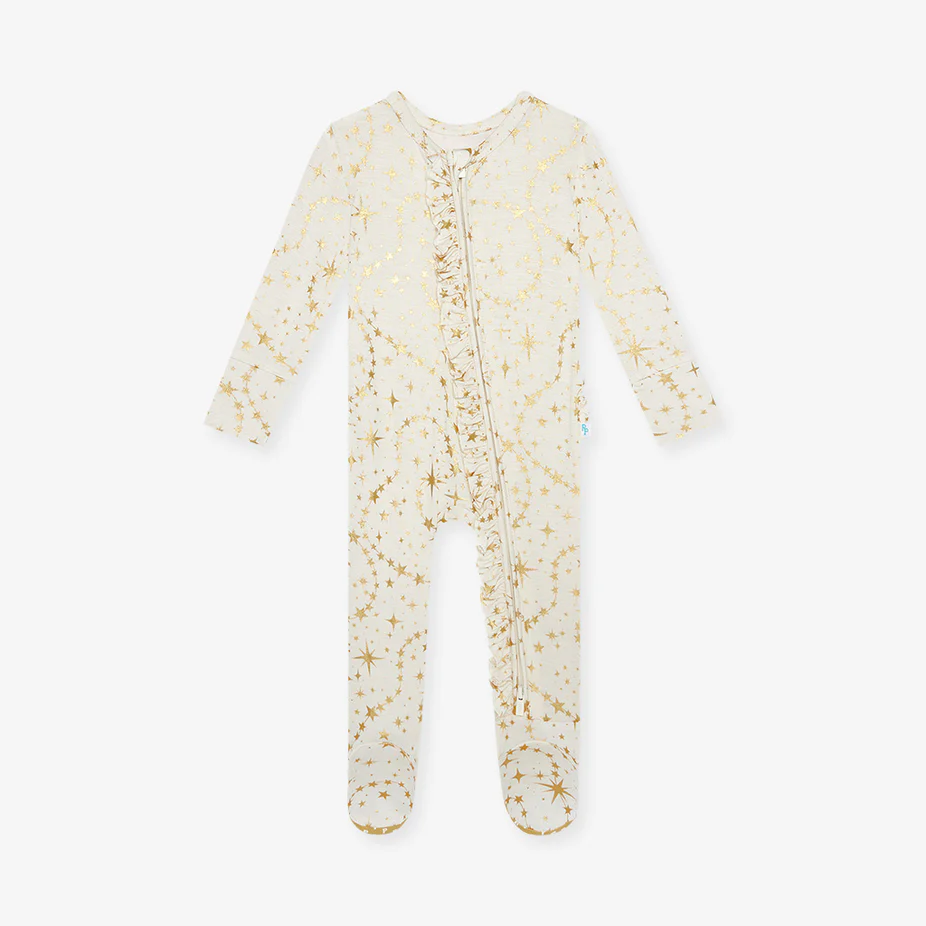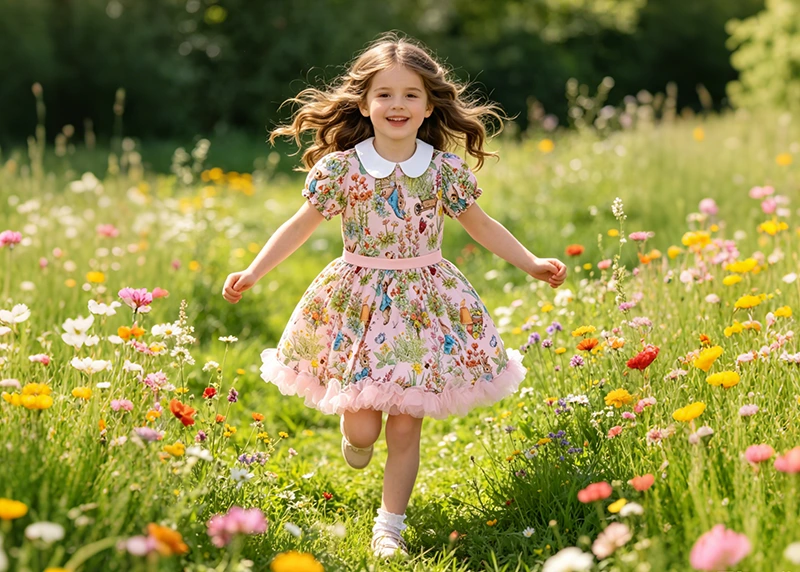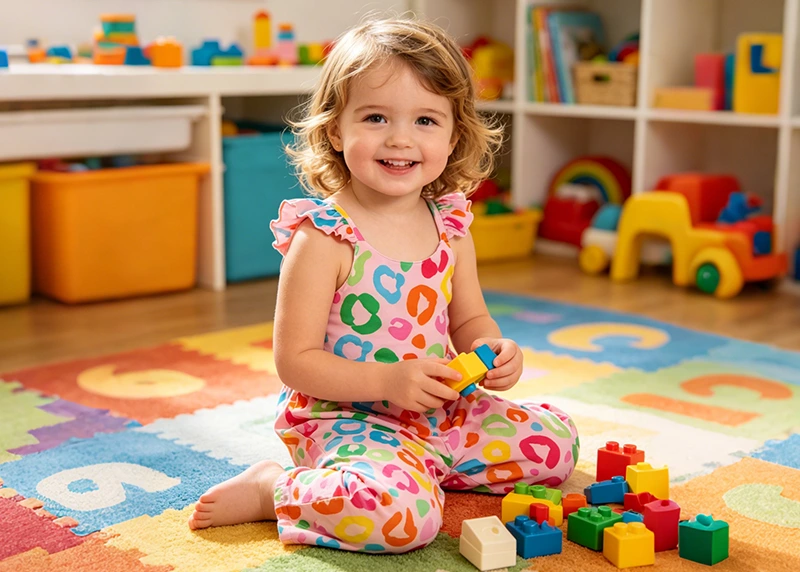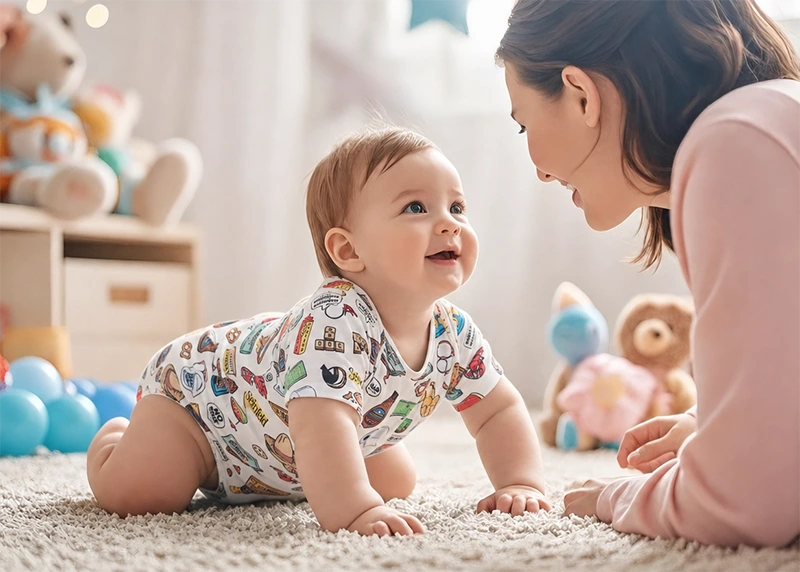

JINHAN supplies custom kids sleepwear for children's apparel brands, retailers, and wholesale buyers developing their own pajama collections. Product development can cover two-piece pajama sets, nightgowns, sleep rompers, and seasonal sleepwear, with fabric selection, size grading, print placement, garment details, and retail packaging specified according to the order requirements.
Sleepwear design involves more than choosing a soft fabric. The material, stretch, garment shape, and seam construction need to work together for the intended age group and wearing conditions.
Cotton Jersey Pajamas: Lightweight jersey is suitable for everyday pajama sets and warmer-weather collections. Cotton-spandex blends can be considered when additional stretch is needed.
Ribbed and Interlock Sleepwear: These knitted fabrics offer different surface textures and fabric weights, allowing buyers to develop styles for different seasons and product positioning.
Footed Sleep Rompers: One-piece designs can incorporate front zippers, snap closures, or other fastening details according to the selected pattern and intended age range.
Printed Nightwear: All-over prints, placement graphics, contrast piping, and coordinated colors provide options for building a consistent sleepwear collection across multiple sizes.
Fabric composition, weight, colors, and garment measurements should be confirmed during product development rather than assumed to be identical across all styles.
For brands selling children's sleepwear across several age groups, grading accuracy is an important part of product development. A design that works in one size may require adjustments to its body length, sleeve proportions, waistband dimensions, or print placement in other sizes.
JINHAN's sleepwear development requirements can be organized around the buyer's tech pack, reference samples, target size range, and intended fit. Buyers should confirm the measurement chart and tolerances before approving the production sample. This provides a reference for checking bulk garments and reduces avoidable differences between the approved sample and finished order.
Small construction decisions affect both the appearance of sleepwear and its suitability for the target market. Depending on the design, buyers can specify:
Print placement: Center-front graphics, repeating patterns, sleeve prints, or coordinated motifs across a pajama set.
Neckline and cuffs: Ribbed neckbands, sleeve cuffs, leg openings, and other finishing details matched to the garment design.
Closures: Zippers or snaps for applicable sleep-romper styles, with the selected components confirmed during sampling.
Labels and branding: Woven labels, printed care labels, size labels, and custom hangtags.
Packaging: Individual polybags, size stickers, barcode labels, or other retail packing requirements.
Artwork, trims, labeling, and packaging specifications should be finalized before bulk production, particularly when an order includes several colors or size combinations.
A clear specification makes it easier to evaluate whether a proposed sleepwear design can be produced consistently at the required quantity. Before requesting a quotation, buyers should prepare the following information where available:
|
Project Detail |
Information to Confirm |
|
Product style |
Pajama set, nightgown, sleep romper, or another design |
|
Fabric |
Fiber composition, fabric construction, weight, and preferred hand feel |
|
Size range |
Target age group, measurement chart, and grading requirements |
|
Design |
Artwork files, color references, trims, and placement details |
|
Branding |
Labels, care instructions, hangtags, and packaging artwork |
|
Order requirements |
Quantity by style, color, and size; target delivery date; destination market |
If a complete tech pack is not available, a reference garment, sketches, measurements, and artwork can help establish the initial requirements. Sample availability, minimum order quantities, production lead times, and applicable testing requirements should be confirmed with JINHAN for the specific project.
Everyday pajama ranges: Coordinated tops and bottoms give retailers a practical format for building core sleepwear collections in multiple colors and prints.
Seasonal nightwear: Lightweight knitted styles and heavier fabric options allow brands to develop different collections for changing seasonal demand.
Infant and toddler sleepwear: Sleep rompers and one-piece garments require particular attention to sizing, closures, labeling, and the safety requirements applicable to the destination market.
Private-label programs: Custom prints, branded labels, coordinated colorways, and retail packaging help buyers develop products around their own merchandising plans.
Provide the garment style, fabric requirements, size range, design artwork, estimated order quantity, branding details, packaging requirements, and delivery destination. If some specifications are still being developed, a reference sample or preliminary tech pack can help establish the scope of the project.
Fabric composition, garment construction, print artwork, colors, labels, and packaging can be discussed according to the selected style and production requirements. Final availability, minimum quantities, and any limitations should be confirmed during sampling and quotation.
Review the approved sample against the measurement chart, fabric specification, color references, print placement, stitching, closures, labels, and packaging instructions. Buyers should also confirm the applicable children's sleepwear regulations for the destination market and obtain the relevant test documentation where required.
Yes. Requirements vary by destination market, garment type, age group, and design. Buyers should confirm applicable rules covering flammability, fit, drawstrings, small components, and chemical restrictions before production. Any certification or compliance claim should be supported by documentation relevant to the actual product.