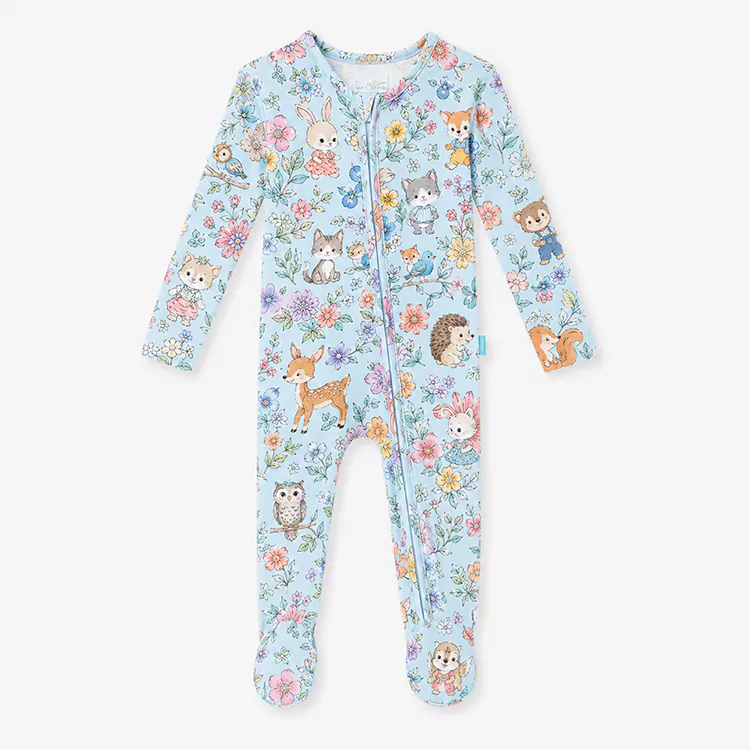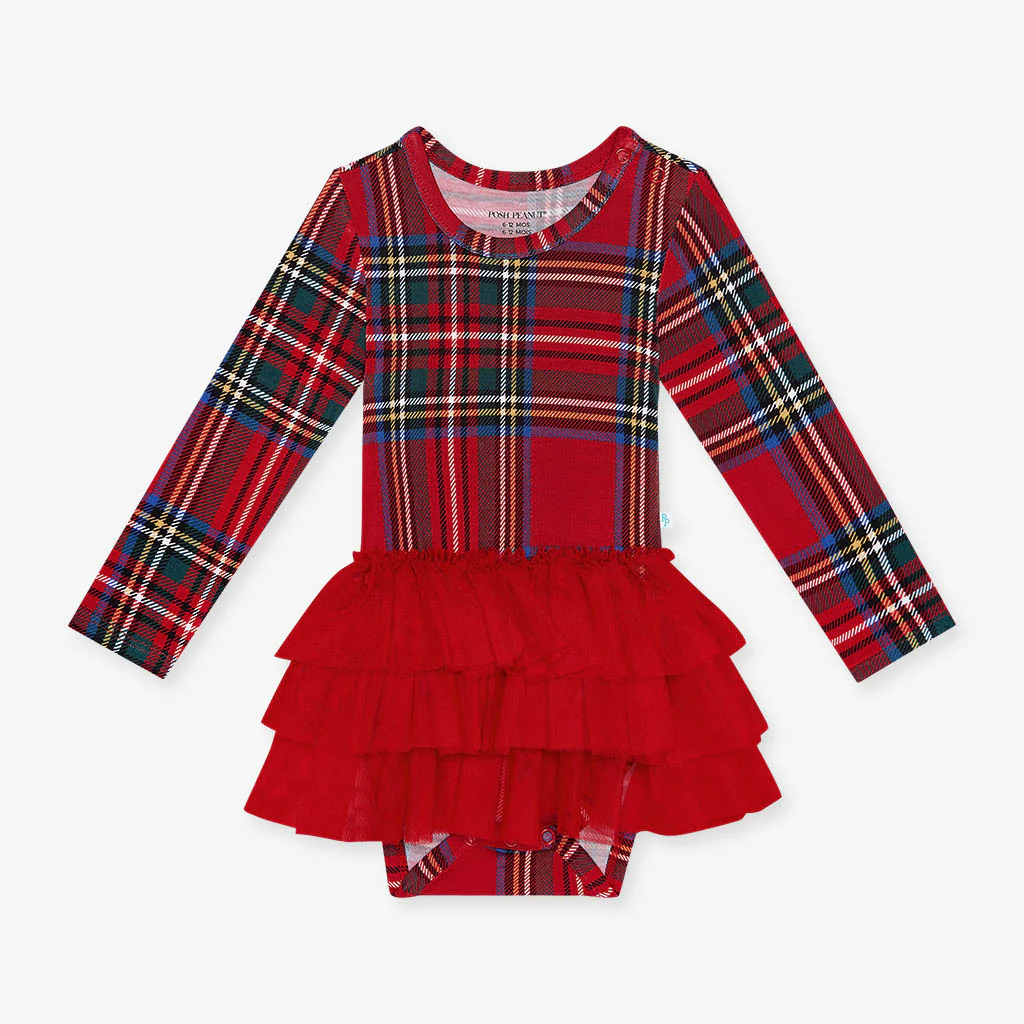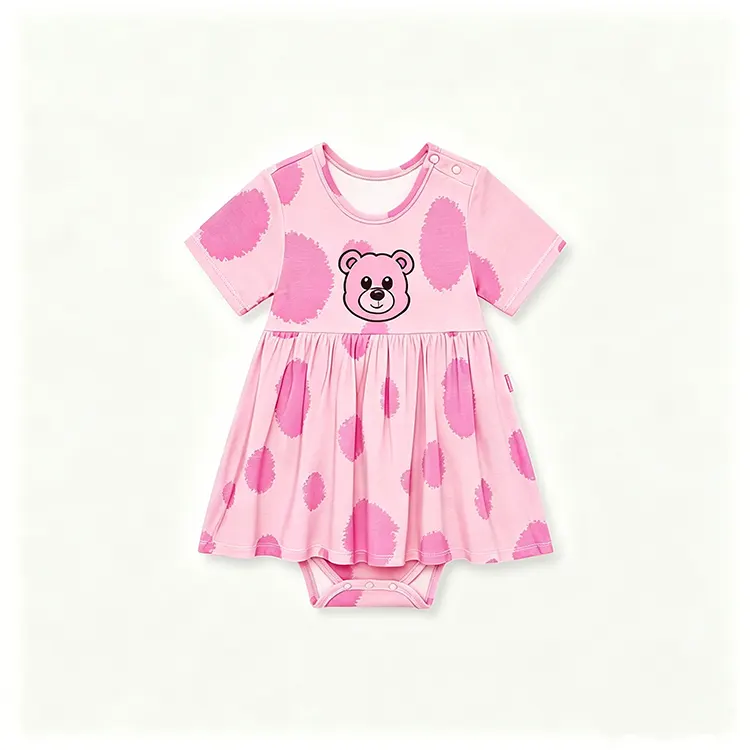

Choosing the right everyday clothing for infants involves more than comparing colors, patterns, or fabric softness. The construction of a garment directly affects how comfortably a baby can move, how easily parents can manage diaper changes, and how well clothing stays in place throughout the day. The main difference between baby bodysuits and traditional baby shirts is their overall construction. A bodysuit is a one-piece garment with an extended lower section and snap-button closure at the crotch, while a traditional baby shirt is generally a separate upper-body garment without an integrated diaper-covering section. This structural difference influences fit, coverage, layering, and everyday practicality.
For children's apparel brands, retailers, and wholesale buyers, understanding these differences is essential when planning an infant clothing collection. Baby Bodysuits offer a practical solution for keeping an infant's torso covered during crawling, playing, sleeping, and other daily activities. Traditional shirts, meanwhile, provide greater flexibility as separate clothing pieces and can be useful in warmer conditions or coordinated outfits. Qingdao Jinhan Garment Co., Ltd. develops infant clothing with different fabric structures, sleeve designs, decorative details, and functional closures to address these varied market requirements. The following purchasing guide examines how the two garment types compare and what buyers should evaluate before selecting products for their target markets.
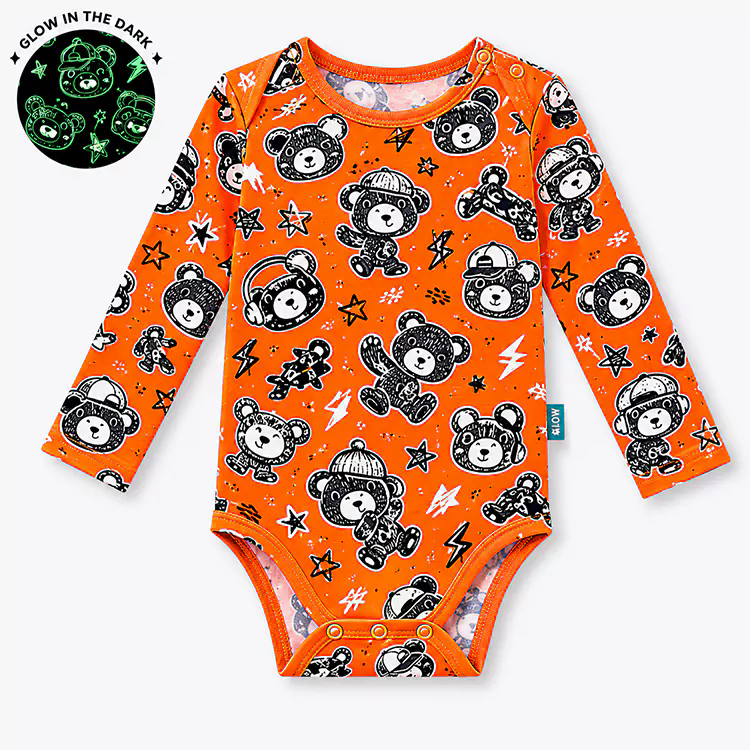
1. What Are the Structural Differences Between Baby Bodysuits and Traditional Baby Shirts?
2. Why Does Garment Construction Matter for Everyday Infant Comfort?
3. How Should Buyers Compare Fabrics, Weights, and Seasonal Performance?
4. What Should Wholesale Buyers Evaluate Before Selecting an Infant Clothing Supplier?
5. Conclusion: Which Garment Is More Suitable for Everyday Wear?
Understanding the structural differences between these two garment categories is the first step toward making a suitable purchasing decision. Although they may look similar when displayed on a retail shelf, their construction determines how they perform during everyday use. For infant apparel manufacturers and retailers, these details also influence pattern development, sewing operations, product positioning, and the overall value offered to consumers.
A traditional baby shirt generally follows the construction of an ordinary top. It covers the shoulders, chest, and back, with a hem that finishes around the waist or hip area. Depending on the design, it may feature short sleeves, long sleeves, a round neckline, or decorative elements. It can be worn independently or combined with trousers, shorts, leggings, and other garments.
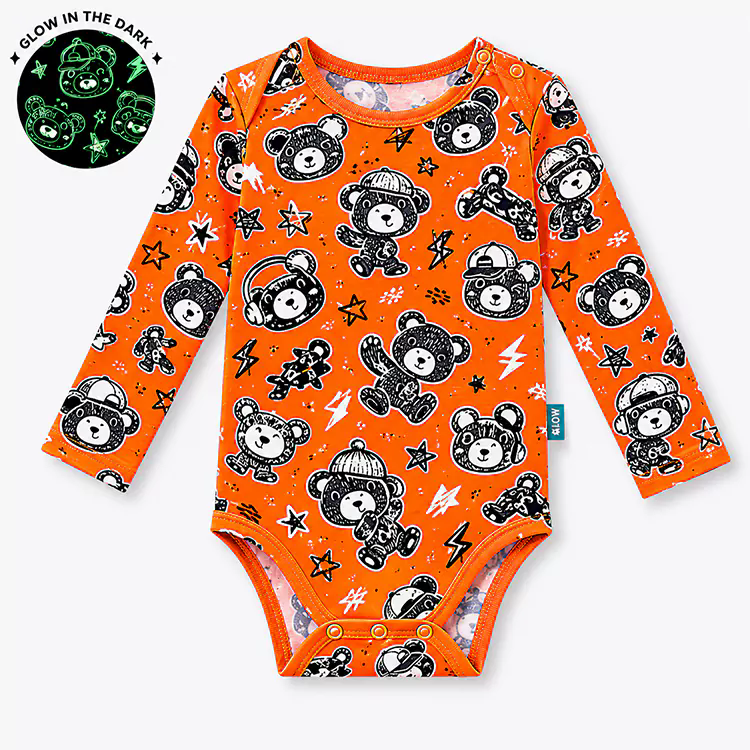
A bodysuit, on the other hand, combines an upper-body design with an extended lower panel that fits between the baby's legs. This lower section normally closes with snap buttons, creating a connected garment that remains in position during movement.
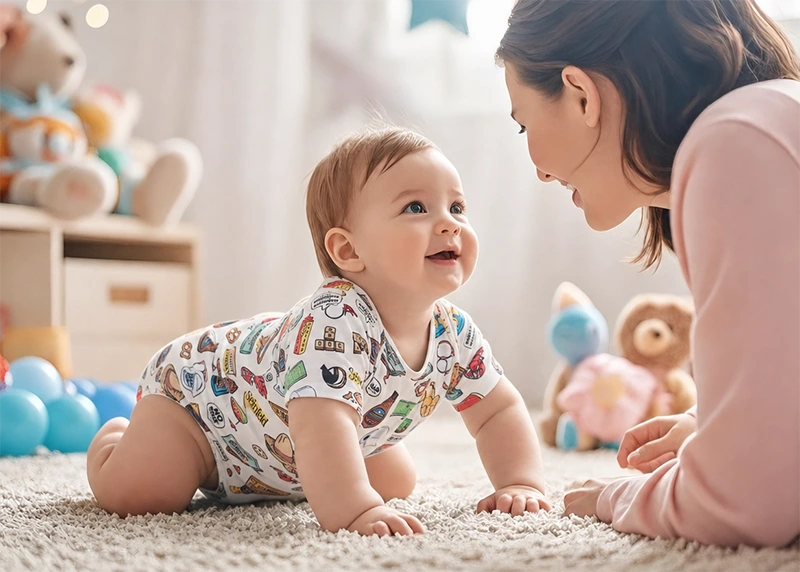
The most recognizable difference is the way each garment covers the baby's torso. Traditional shirts rely on their hemline to provide coverage. When a baby stretches, rolls over, reaches upward, or begins crawling, the shirt may move away from the waist. This can expose the lower back or abdomen, particularly when the garment is slightly loose or the baby is wearing separate trousers.
A bodysuit has a longer lower section that passes between the legs and closes underneath. Because the garment connects the upper and lower portions, it is less likely to ride upward during ordinary movement.
Traditional shirts still have a useful place in infant wardrobes. Their independent construction makes them easy to combine with different bottoms and allows parents to change individual clothing pieces without replacing a complete outfit. However, buyers targeting newborn and early-infant everyday clothing may find the connected structure of a bodysuit more attractive because it addresses a common clothing-management issue.
Another important distinction is the lower fastening system. Traditional baby shirts generally have an open lower hem. Some designs use shoulder buttons, decorative front buttons, or other neckline fastenings, but they do not normally include an integrated diaper-access opening.
Bodysuits typically incorporate reinforced snap-button closures at the crotch. This allows parents to open the lower section when changing diapers without removing the entire garment.
| Construction Detail | Baby Bodysuit | Traditional Baby Shirt |
| Main structure | Connected upper and lower sections | Separate upper-body garment |
| Lower hem | Extended crotch section | Open hem |
| Diaper access | Usually through crotch snaps | Usually requires lifting or removing the shirt |
| Torso coverage | More consistent during movement | May shift upward |
| Layering | Suitable as a base layer | Suitable as an independent top |
| Outfit coordination | Commonly paired with separate bottoms | Can be combined with different bottoms |
For wholesale buyers, snap quality deserves particular attention. Poorly attached fasteners may loosen after repeated use, while incorrectly positioned snaps can make fastening uncomfortable or inconvenient. Qingdao Jinhan Garment Co., Ltd. incorporates reinforced snap-button construction into its bodysuit designs, with attention to the fastening area and garment durability.
Infants cannot independently assist with getting dressed. Consequently, neckline construction has a meaningful influence on how easily parents can put on and remove garments.
A conventional baby shirt may have a standard round neckline, an envelope neckline, or a shoulder opening. A bodysuit can also use several neckline constructions, but expandable lap-shoulder designs are particularly practical for infant clothing.
The lap-shoulder structure allows the neckline to expand when the garment is pulled over the baby's head. This reduces the need to force a relatively narrow opening over the head and shoulders. Some bodysuit designs also use back ties or decorative neckline treatments to create a different appearance.
When evaluating garment samples, buyers should examine whether the neckline expands sufficiently for dressing, whether it returns to its original shape after stretching, whether the binding is smooth and securely attached, and whether decorative elements interfere with everyday movement.
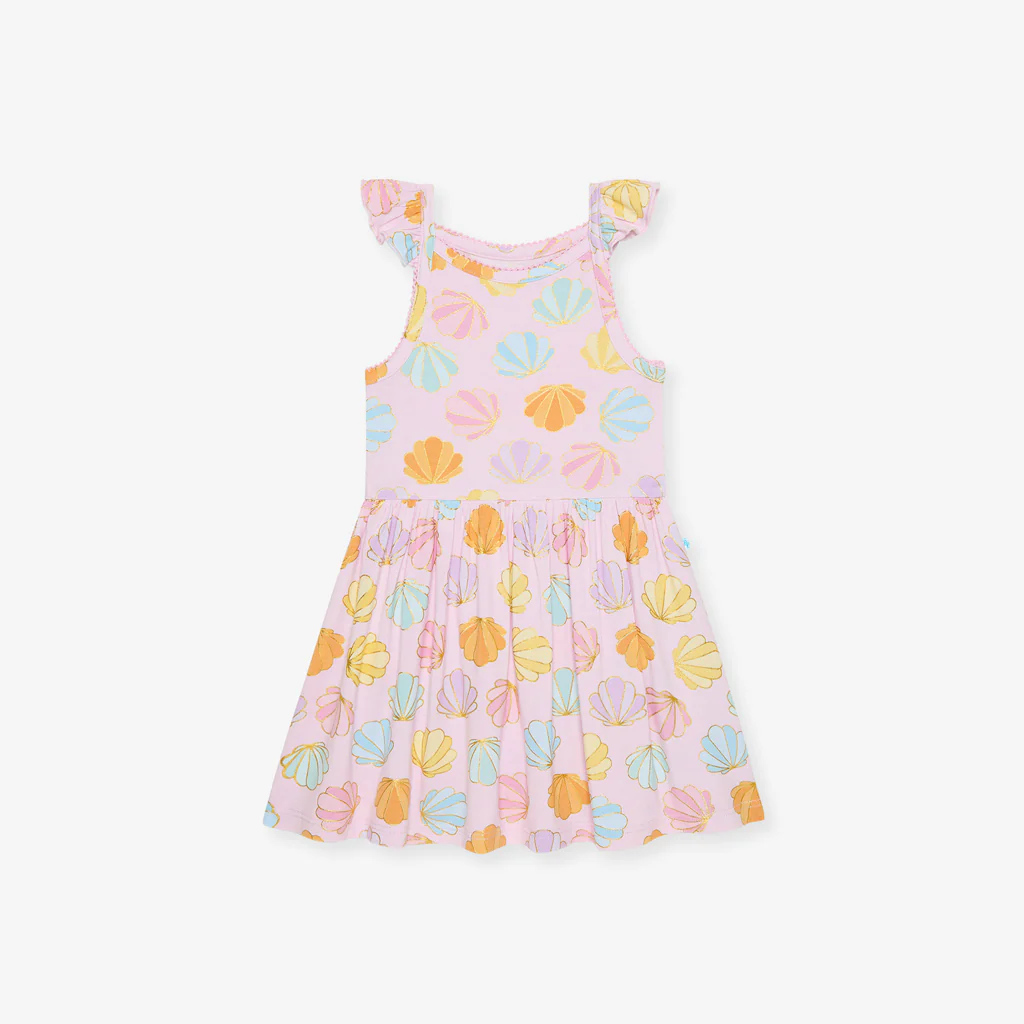
Traditional shirts are often positioned as versatile tops, while bodysuits can cover a broader combination of functional and decorative requirements. A basic short-sleeve design can serve as everyday clothing, while a long-sleeve version can function as a comfortable base layer. Ruffles, decorative prints, and specialized fabric treatments can also create differentiated retail products.
The product range from Jinhan Garment includes several distinct styles:
These examples demonstrate that a bodysuit does not need to be limited to a plain functional undergarment. It can also serve as a visually distinctive retail product. From a purchasing perspective, the most suitable choice depends on the intended consumer, expected wearing occasions, seasonal collection, and target retail price.
Infant clothing needs to accommodate frequent movement, changing body positions, regular diaper changes, and repeated washing. A garment that looks attractive on a hanger may not necessarily perform well during these activities. For purchasing teams, the important question is therefore not simply whether a product looks comfortable, but whether its construction supports practical use throughout the day.
Traditional shirts are designed as separate upper-body garments. Their lower edges remain free, which makes them easy to combine with different outfits. However, this also means that the garment can move independently of the baby's trousers or diaper.
These situations do not mean that traditional shirts are unsuitable for infants. They simply reflect the limitations of an independent upper-body garment. A bodysuit addresses this issue through its integrated lower construction. The crotch section helps maintain the garment's position while allowing the baby to move naturally.
Correct sizing remains essential. A bodysuit that is too short in the torso may pull around the shoulders or crotch, while one that is excessively loose may not provide the intended fit. Buyers should therefore assess garment measurements and fit samples rather than assuming that the one-piece construction automatically guarantees comfort.
Fabric selection and sewing quality are closely connected. A soft fabric may feel pleasant initially, but it also needs sufficient structural recovery to maintain its original shape after stretching.
Fabric softness: The fabric should have a smooth hand feel and avoid unnecessary surface roughness. Since infant clothing frequently touches the neck, arms, abdomen, and legs, material selection should consider the areas where friction may occur.
Stretch and recovery: Elasticity helps a garment accommodate movement and dressing. However, excessive stretching without adequate recovery can cause necklines, cuffs, and garment openings to become loose over time.
Seam construction: Raised or poorly finished seams may create uncomfortable contact points. Seam placement and stitching quality should therefore be examined during sample approval.
Our production specifications include advanced flatlock stitching using four-needle six-thread seams. This construction is intended to provide a flatter seam finish and reduce bulky edges that may rub against delicate skin. The neck labels are heat-transferred and tagless, avoiding conventional sewn-in neck labels that can create an additional source of irritation.
Diaper changes are a recurring part of infant care. Parents generally prefer clothing that allows them to access the diaper area without unnecessarily removing multiple garment layers.
A bodysuit with a snap-button crotch provides a direct approach:
This is particularly relevant when the bodysuit is worn underneath several layers during colder weather. Buyers should inspect snap attachment strength, alignment, fastening consistency, and ease of operation. For manufacturers, reinforcement around fastening points is an important part of garment construction.
| Everyday Situation | Baby Bodysuit | Traditional Baby Shirt |
| Lying down | Connected construction helps maintain torso coverage | Hem may move when the baby changes position |
| Rolling over | Less likely to ride upward | May require repositioning |
| Crawling | Remains connected around the waist | May become untucked |
| Diaper changes | Crotch snaps provide direct access | Usually requires lifting the shirt |
| Wearing under trousers | Functions as a fitted base layer | Can be tucked into the bottoms |
| Warm-weather outfits | Short-sleeve styles can be worn independently | Suitable as a lightweight separate top |
For product developers, these differences offer a useful framework for deciding which garment types should receive priority in a seasonal collection.
Fabric selection is one of the most important decisions when developing an infant clothing collection. The material influences softness, garment weight, breathability, stretch, visual texture, and suitability for different climates. Buyers should avoid selecting fabrics based on appearance alone. Instead, they should consider the intended wearing environment, garment construction, expected washing frequency, and retail positioning.
Qingdao Jinhan Garment Co., Ltd. offers several fabric structures for its infant apparel production, allowing buyers to develop lightweight basics, mid-weight garments, and warmer seasonal styles.
| Fabric Type | Fabric Weight | Main Characteristics | Potential Applications |
| Jersey | 190gsm | Classic, smooth, breathable structure | Everyday and lightweight styles |
| French Terry | 300gsm | Cozy fabric with a looped-back structure | Mid-weight and cooler-season garments |
| Fleece | 240gsm | Warm and soft surface | Warmer seasonal clothing |
| 3*3 Rib | 220gsm | Highly elastic structure with contouring stretch | Close-fitting and flexible designs |
| Flannel | 140gsm | Soft and warm hand feel | Soft seasonal clothing |
| Pointelle | 210gsm | Delicate textured knit | Decorative and lightweight-looking designs |
The listed grammage provides buyers with a practical starting point for sample development. Nevertheless, fabric weight should not be treated as the only measure of comfort. Fiber composition, knitting structure, finishing treatment, and garment fit also affect the final wearing experience.
Different consumer markets have different seasonal purchasing patterns. A retailer serving customers in warmer regions may prioritize lightweight short-sleeve bodysuits, while a brand targeting colder markets may need more long-sleeve options and heavier fabric structures.
For summer collections, Jersey at 190gsm provides a smooth and breathable option for basic everyday garments. Lightweight constructions can also help retailers develop versatile products suitable for indoor wear and layering.
For cooler conditions, French Terry at 300gsm and Fleece at 240gsm offer different approaches to warmth and fabric texture. These materials may be considered for long-sleeve styles and seasonal clothing ranges.
Rib fabric at 220gsm offers another purchasing option because of its elastic knitted structure. It can be considered for designs where stretch and close-fitting garment construction are important.
Before approving a bulk order, buyers should compare fabric samples under their intended product conditions. This includes examining thickness, surface feel, stretch recovery, dimensional stability, and compatibility with the selected pattern.
In competitive children's apparel markets, functional performance is only one part of product development. Visual differentiation also affects how retailers position garments and build seasonal collections.
Our manufacturing capabilities include customized digital printing and reactive printing or active dyeing.
For example, a basic Jersey bodysuit may be suitable for a core essentials collection, while a printed or ruffled design can help create a separate fashion-oriented product range.
A sample review should go beyond checking whether the garment matches a reference photograph. Buyers should confirm the actual fabric weight, material composition, color, print position, garment dimensions, stitching, and fastening construction.
Our factory supports customized fabric weights, material blends, and print patterns according to project requirements. Buyers can also request Pantone color matching and review the selected printing method before approving production.
For dimensional stability, the stated production specification controls shrinkage within 2.5% through specialized industrial tension-free pre-shrinking processes. This specification should be confirmed through the agreed testing method and actual approved sample.
Choosing between bodysuits and traditional shirts is only one part of a larger purchasing decision. For brands and distributors, supplier capability, quality consistency, customization flexibility, and export arrangements can have a substantial influence on the long-term performance of an infant clothing collection.
A competitive supplier should be able to explain how garments are developed, how production quality is inspected, and how product specifications are maintained between sampling and bulk manufacturing. Buyers should request verifiable production information rather than relying exclusively on marketing descriptions.
Private-label infant apparel often requires more than selecting an existing design. Brands may need custom patterns, fabric combinations, colors, prints, decorative details, and branded packaging.
Qingdao Jinhan Garment Co., Ltd. provides an OEM/ODM workflow covering several stages:
For buyers developing a new collection, the key is to establish a clear approval process. Fabric, color, dimensions, printing, and fastening details should be confirmed before bulk production begins.
Infant clothing requires particular attention to material safety and physical construction. Buyers selling in the United States, European Union, Australia, and other regulated markets should establish destination-specific compliance requirements before production.
Our stated quality control and testing capabilities include the following:
| Quality Control Item | Production Specification | Purchasing Consideration |
| Stitching inspection | 12-14 stitches per inch | Check stitch consistency and skipped stitches |
| Seam construction | Four-needle six-thread flatlock stitching | Evaluate seam flatness and finishing quality |
| Needle detection | 100% finished-garment conveyor needle detection | Confirm the inspection process and records |
| Shrinkage control | Within 2.5% | Verify using the agreed testing procedure |
| Trims and chemical requirements | Azo-free, formaldehyde-free, lead-free metal snaps, and non-toxic fluorescent pigments as specified | Request relevant material and laboratory documentation |
| Third-party testing support | ITS, BV, SGS, and TÜV testing support according to destination requirements | Confirm the exact test scope and applicable standards |
The available certification and compliance support includes OEKO-TEX Standard 100 Class 1, GOTS organic cotton certification, CPC documentation, and BSCI-audited factory workflow as stated in the supplied factory information. Buyers should verify current certificate validity, scope, certificate holders, and product coverage before making compliance claims in their own markets.
Testing should also be matched to the actual product and destination. For example, buyers may need to review applicable requirements for lead content, formaldehyde, colorfastness to saliva, and dimensional changes after washing. A supplier's ability to arrange testing does not automatically mean that every product has passed every certification requirement.
Sampling helps buyers identify problems before they become costly bulk-production issues. It also provides a physical reference for evaluating fabric feel, fit, stitching, decorative details, and closure performance.
Our factory provides random stock samples of selected Jersey, Rib, and French Terry garments for physical evaluation, with clients responsible for basic courier charges. Custom prototype fees for specified digital prints or fabric weights can be credited back once the bulk production contract is signed, subject to the agreed terms.
For finished-goods packaging, the stated options include:
Packaging requirements should be confirmed against the buyer's retail channel. Products intended for boutique stores may require different labeling and presentation from garments shipped directly to an e-commerce fulfillment warehouse.
International apparel sourcing involves more than manufacturing. Shipping terms, export documentation, destination requirements, and after-sales responsibilities should all be clarified before a purchase order is issued.
Qingdao Jinhan Garment Co., Ltd. supports EXW, FOB Qingdao or Shanghai, and DDP shipping arrangements, subject to the specific destination and agreed commercial terms.
Buyers should confirm the following details in writing:
The stated after-sales policy includes a 90-day structural quality guarantee covering qualifying manufacturing defects, stitching problems, snap-button detachment, and sizing discrepancies discovered within the specified period after cargo arrival. The precise claim procedure, evidence requirements, exclusions, and remedy should be confirmed in the purchase agreement.
For wholesale buyers, these arrangements are important because they help establish clear expectations before production and reduce uncertainty when handling overseas orders.
Baby bodysuits and traditional baby shirts both have a place in infant clothing collections, but they serve somewhat different everyday requirements. Bodysuits offer integrated torso coverage, a connected lower construction, and convenient diaper access through crotch snap buttons. Traditional shirts provide a separate upper-body design that can be combined with different bottoms and coordinated outfits. The better option depends on the intended wearing occasion, consumer preferences, climate, and collection positioning.
For buyers developing everyday infant essentials, Baby Bodysuits are worth prioritizing because their construction addresses practical clothing needs such as garment stability, layering, and diaper changes. Traditional shirts can complement the range by offering more independent styling options. A balanced collection can therefore include both categories instead of treating them as competing products.
Qingdao Jinhan Garment Co., Ltd. supports infant apparel development with Jersey, French Terry, Fleece, 3*3 Rib, Flannel, and Pointelle fabrics, together with custom printing, decorative details, reinforced snap construction, and OEM/ODM production services. Our factory can work with buyers to evaluate garment samples, confirm material specifications, and develop product designs that match their target markets.
If you are planning a new infant clothing collection or looking for a wholesale manufacturing partner, contact Qingdao Jinhan Garment Co., Ltd. to discuss your design files, fabric preferences, product requirements, and private-label needs. Request a sample evaluation and a project-specific quotation to determine the most suitable production solution for your Baby Bodysuits collection.
Baby Bodysuits are generally more practical when consistent torso coverage and convenient diaper access are important. Their connected lower section helps prevent the garment from riding upward during crawling, rolling, and stretching, while crotch snap buttons allow parents to change diapers without removing the entire garment. Traditional baby shirts are more flexible for outfit coordination because they can be worn independently with different bottoms. The better option depends on the baby's activities, climate, and the intended use of the clothing.
The appropriate fabric weight depends on the intended season, garment structure, and target consumer market. For example, the available Jersey option at 190gsm provides a smooth, breathable choice for everyday lightweight garments. French Terry at 300gsm and Fleece at 240gsm are options for warmer seasonal styles, while 3*3 Rib at 220gsm offers an elastic knitted structure. Buyers should evaluate actual samples, fabric composition, stretch recovery, and dimensional stability before confirming a bulk order.
Buyers should examine snap attachment strength, alignment, fastening consistency, and the condition of the surrounding fabric. Each fastening should open and close smoothly without excessive force, loose attachment, or visible damage to the garment. It is also important to perform repeated opening and closing checks during sample evaluation and confirm that the production process includes suitable inspection of fastening areas. Relevant mechanical and product safety requirements should be considered according to the destination market.
Yes. Depending on manufacturing capabilities, buyers can request different fabric structures, weights, colors, sleeve styles, prints, and decorative details. Qingdao Jinhan Garment Co., Ltd. offers Jersey, French Terry, Fleece, 3*3 Rib, Flannel, and Pointelle options, with customized digital printing, reactive printing, ruffle details, and other design modifications. Buyers should provide a tech pack or reference sample and confirm fabric specifications, print placement, measurements, and finishing details during sample approval before proceeding with bulk production.
Buyers should identify the applicable textile safety, chemical, physical, labeling, and children's product requirements in their destination markets before placing an order. Depending on the product and market, relevant documentation may include OEKO-TEX Standard 100, GOTS certification for qualifying organic textile products, applicable children's product testing, and third-party laboratory reports from organizations such as Intertek, Bureau Veritas, SGS, or TÜV. Buyers should verify the validity, scope, and product applicability of every certificate and test report rather than relying on general supplier claims.